Kentucky expungement guide · Updated October 2026
How the process works
Five steps, three to five months, and for most people no courtroom. Here is what happens between deciding to do it and the record being gone.
- Certification. Before anything can be filed, you need an expungement certification from the Administrative Office of the Courts: a $40 report, built from court and state police records, listing every case on your record and whether it qualifies. One certification covers all your cases. It is good for thirty days, so we order it when we are ready to file.
- Filing. Each case is filed where it was decided: felonies as a motion in the original Circuit Court case, misdemeanors in District Court. Felonies cost $50 to file; misdemeanors $100 per case, $50 refundable if denied; dismissed and acquitted charges are free.
- The prosecutor's turn. The clerk serves the Commonwealth's Attorney or County Attorney, who has sixty days to respond. If there was an identified victim, the prosecutor notifies them. Most of the time there is no objection.
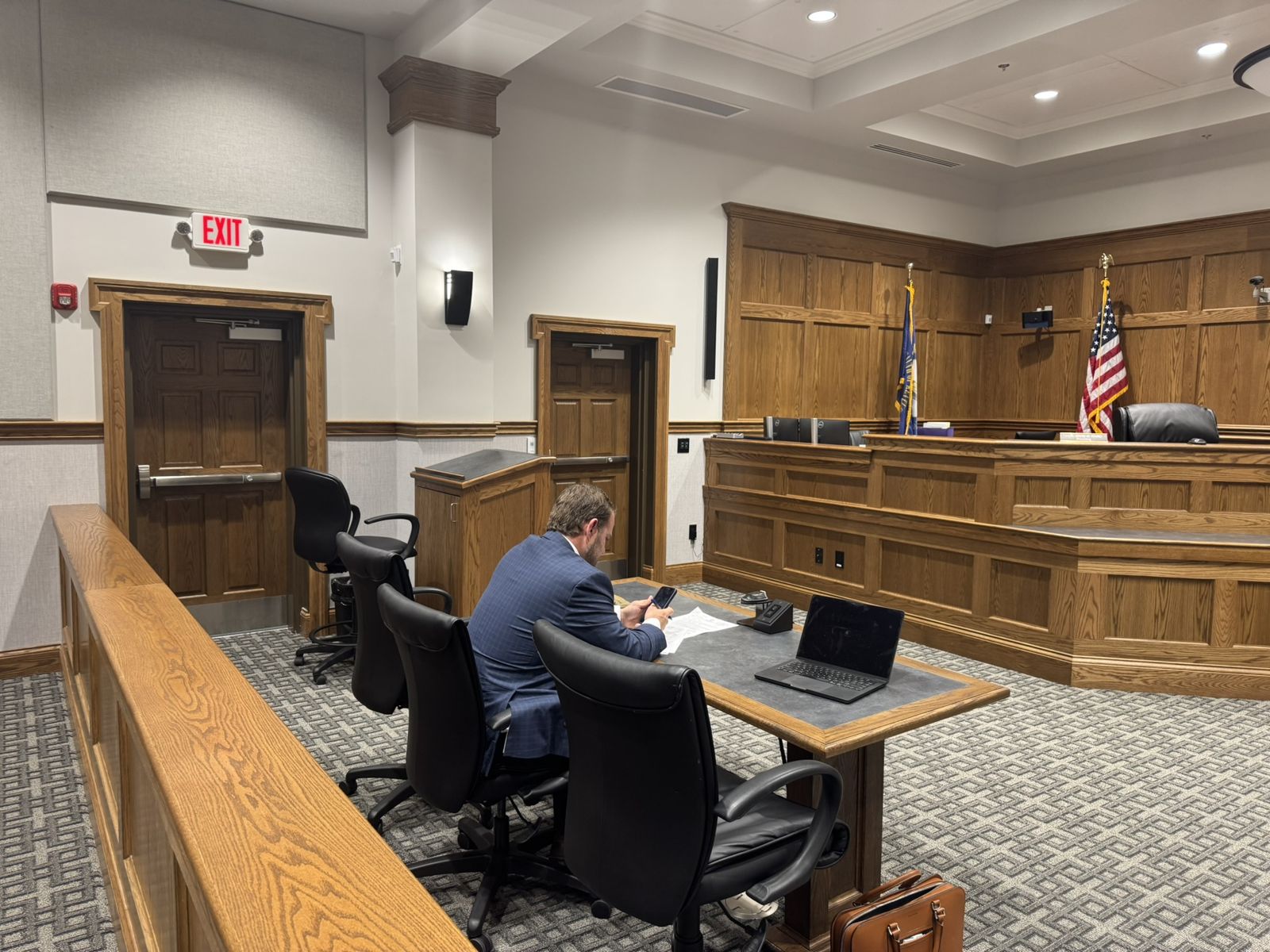
- Decision. With no objection, the court can grant the expungement without a hearing. With an objection on a felony, a hearing is set within 120 days of filing where you show by clear and convincing evidence that expungement is consistent with public safety, that your conduct since supports it, and that the interests of justice warrant it. You and your lawyer must be present.
- The order. For felonies, the $250 expungement fee is due when the order is entered, with an installment plan available over at least eighteen months. Once paid, the court and every agency holding the record, including the state police, delete it. The court will respond to any inquiry by saying no record exists.
After the order
You may answer "no" when a job, housing, or credit application asks about the expunged matter. Your voting rights are restored. Private background-check companies that cached the old record sometimes lag; a certified copy of the order fixes that quickly.
What we do versus what you do
Clark + Harris pulls the record, orders the certification, drafts and files every petition in every county, handles the prosecutor, and appears at any hearing. You give us accurate information at the start and show up if there is a hearing. Most clients never set foot in a courthouse. We work statewide; travel fees may apply where an in-person appearance is required outside Central Kentucky.
Questions people ask
How long does a Kentucky expungement take?
Typically three to five months from certification to order. The certification takes a few weeks, the prosecutor has sixty days to respond, and any hearing must happen within 120 days of filing. Uncontested cases are faster.
Do I have to go to court?
Usually not. If the prosecutor does not object, the court can rule on the papers. If there is a hearing on a felony, you must attend, with your lawyer.
What is the expungement certification?
A $40 report from the Administrative Office of the Courts and Kentucky State Police that lists every case on your record and says whether each is eligible. It is required before filing and is valid for thirty days, so timing matters.
Find out where you stand
Two minutes, no Social Security number, and a provisional answer on the spot.